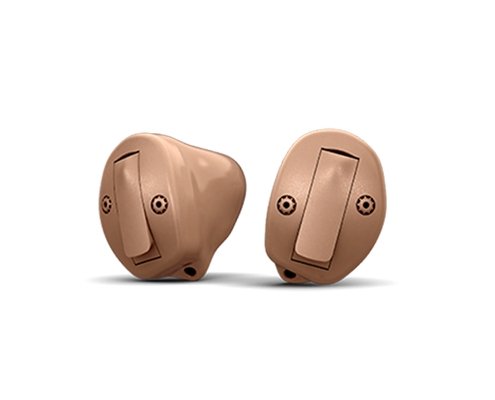
How do rechargeable hearing aids work?
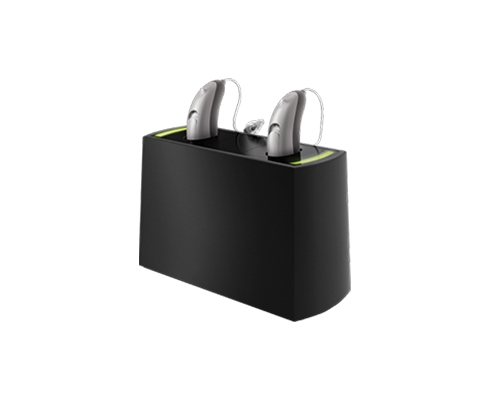
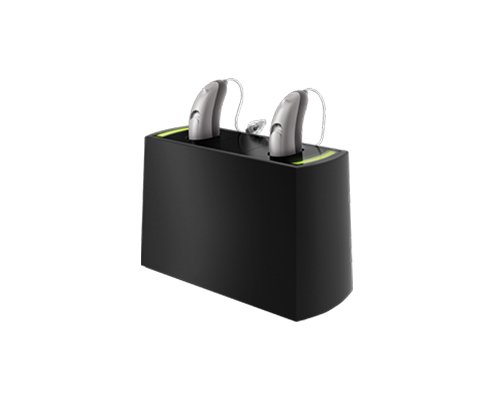
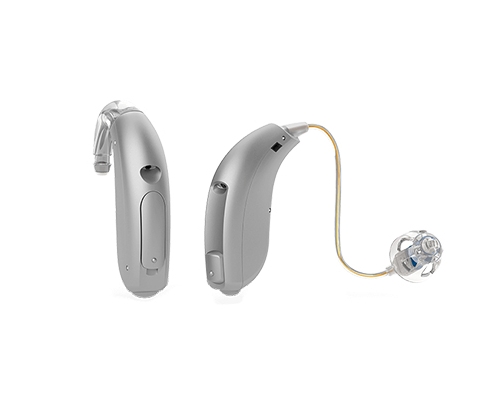
Similar to smartphones, rechargeable hearing aids require frequent charging to remain functional. The majority of them include a simple docking station. Simply remove “your ears” each night, connect them to the charger, and retire to bed. They should be prepared for another day of full use by morning. Battery life will vary; for instance, frequent Bluetooth use may cause the battery to discharge more quickly. The downside? It’s pretty simple: If you can’t charge your hearing aids, they won’t work. So they don’t work well for everyone, and that’s where hearing aids with disposable batteries come in.
Battery life for hearing aid batteries
Based on wearing a hearing aid for a full 16-hour day, non-rechargeable hearing aid batteries can last for five to fourteen days. This is based on the battery’s capacity and the hearing aid’s power requirements. Generally speaking, smaller batteries have a lower lifespan than larger ones.
The average lifespan of hearing aid batteries is as follows:
- Size 10 – three to seven days
- Size 312 – three to 10 days
- Size 13 – six to 14 days
- Size 675 – nine to 20 days
There might be a problem with the hearing aid if you notice that the battery life is getting shorter. If this is the case, check your user manual or get in touch with a hearing healthcare provider to make sure everything is operating as it should.


 https://www.mahalakshmihearingaids.com/wp-content/uploads/2022/09/Waterproof-Hearing-Aids-Dealers-in-Chennai.jpg
400
500
mahalakshmi_login
https://www.mahalakshmihearingaids.com/wp-content/uploads/2022/08/logo.png
mahalakshmi_login2022-09-27 11:32:562023-07-21 09:32:05Best Audiology Clinics in Chennai
https://www.mahalakshmihearingaids.com/wp-content/uploads/2022/09/Waterproof-Hearing-Aids-Dealers-in-Chennai.jpg
400
500
mahalakshmi_login
https://www.mahalakshmihearingaids.com/wp-content/uploads/2022/08/logo.png
mahalakshmi_login2022-09-27 11:32:562023-07-21 09:32:05Best Audiology Clinics in Chennai